How I Manage Stress and Health in a High-Pressure Security Job
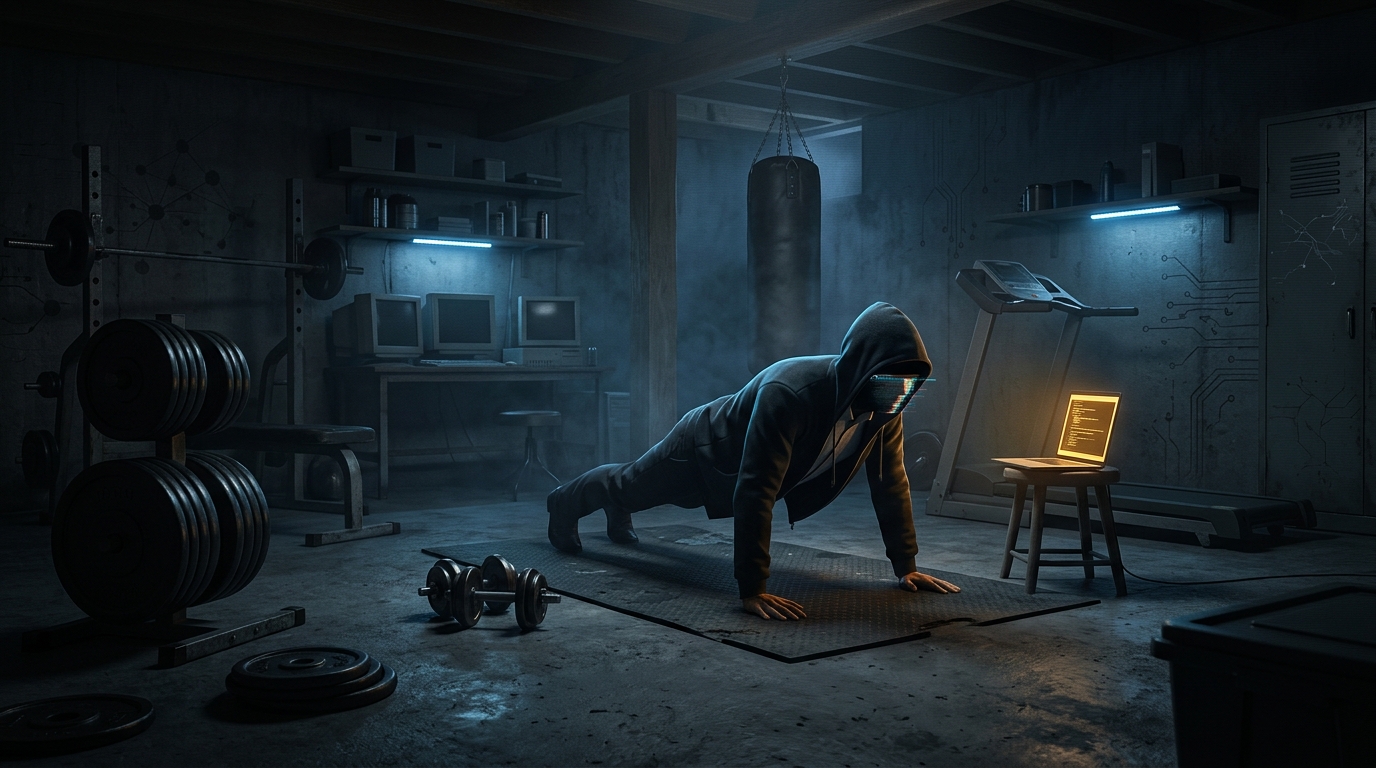
Working in cybersecurity, especially in a regulated environment, means stress is not the exception, it is the baseline. Threat intel, vulnerabilities, incidents, audits, DORA and BaFin requirements, all while sitting behind a screen most of the day. If you do not actively counter that, it wins. This post is about what I actually do, not theory.
It’s rarely just one source
Work is not the only place stress comes from, and it rarely stacks in isolation. A busy family life, the loss of someone close, financial pressure, an addiction, these things do not pause because you also have a demanding job. They add up. And when you are also doing many hours a week in a high pressure role, that combination takes a real toll on your body and mind, whether you notice it day to day or not. Everything below is written from a work-heavy angle because that is my situation, but the underlying approach, track what you can, build in recovery, do not wait for a crisis, applies no matter where the stress is coming from.
Training: from structured group sessions to bodyweight and balance
Almost two years ago I started small group training at Mats Visser Personal Training. The goal was simple: get in shape, get more energy, lose some weight. It worked, and it built the habit.
That is on hold for now, and my training has shifted to a different style, focused on balance and bodyweight movement, with minimal equipment. Less reliance on a gym or specific tools means the training travels with me and fits around a busy schedule instead of dictating it.
The lesson here is not “do this specific program.” It is that your training should evolve as your life does. What got you started is not necessarily what keeps you going.
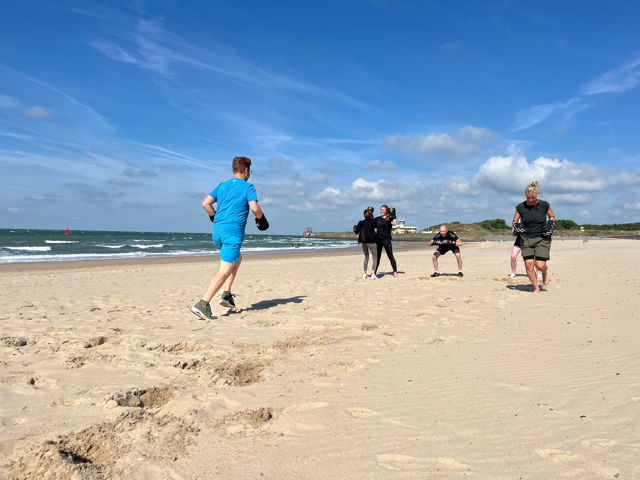
Last year I also did beach workouts, and they were a different level entirely. Training on sand adds resistance you do not get anywhere else, every step and every movement costs more. Add group energy and sometimes fighting the weather on top of that, and it pushes you in a way a gym or living room session simply cannot replicate. Not something I do year round, but if you get the chance, it is worth doing at least once.
The desk itself: standing, screen height, and daylight
Before you even get to workouts and walking, fix the eight hours you spend at a screen. I use a standing desk and stand regularly through the day, and I keep my screen at the right height. It sounds basic, but posture and eye strain accumulate the same way stress does, quietly, until they become a real problem. Get this right first, it costs nothing and it is the baseline everything else builds on.
Sunlight gets the same attention as movement. A morning coffee break outside, or sun during a walk, does something a walk indoors on a treadmill does not. Daylight, especially in the morning, helps regulate your body clock and your energy through the day. If your job keeps you behind a screen, you have to go looking for the sun, it will not come to you.
Walking, every day, twice a day, tracked
Twice a day, at minimum, I walk outside. No excuses, no exceptions. A Garmin CIRQA Smart Band tracks all of it.
Tracking matters more than people think. It is not vanity metrics, it is early warning. Heart rate trends, resting heart rate, sleep quality and duration, these numbers tell you things you cannot feel yet. A slowly rising resting heart rate over weeks can be the first sign of accumulating stress, before you consciously notice anything is wrong. If you work in security, you already understand the value of telemetry. Apply the same logic to your own body.
The stress measures on the Garmin band also help me actively manage stress, not just observe it after the fact. If the band flags elevated stress, that is my cue to step away, breathe, or take a walk, rather than pushing through and finding out later in a worse way.
The two numbers you cannot afford to ignore: weight and blood pressure
Track your body weight. Track your blood pressure.
High blood pressure is a slow and silent killer. It does not announce itself with symptoms until real damage is already done. You will not feel hypertension coming. A cheap home blood pressure monitor and five minutes a week is a better investment than almost anything else on this list.
Regular blood tests are now part of the routine too, once a year is a good baseline. Cholesterol, glucose, the things your smart band simply cannot measure. Do not wait for a wake-up call to find out where you stand.
Habits: eating, screens, and dopamine
My current focus is eating healthier, eating less, and cutting heavy meals. Simple, unglamorous, effective. Coffee is limited to one cup a day, enough to enjoy it without leaning on caffeine to get through the day.
Social media got cut back hard as well, with that time shifted toward real, personal interaction. An app called TapOut caps me at roughly 15 minutes a day, and most days I do not even open social apps at all. Less dopamine from a feed means more capacity for the things that actually matter, conversations, focus, presence.
Alcohol and smoking are not part of my life. If you do either, I will say this as gently and directly as I can: stop, or at minimum cut down seriously. Same goes for snacking and fast food, limit it. These are not moral judgments, they are just high-leverage changes. Small daily habits compound, in both directions.
Hobbies and family: the reason this all matters
Find something that takes your mind fully off work. For me that is playing guitar and bass guitar. It has nothing to do with security, incidents, or compliance, and that is exactly the point.
The biggest one though is family. Being present for your partner and your kids is not a nice-to-have, it is the actual point of doing all of this. They want to keep you around as long as possible, and healthy, for as long as possible. That is not something you get to postpone until you have more time or less stress. Start now, because the version of you that waits for a better moment usually never finds one.
What it has actually gotten me
Not theory, results:
- Lost 10 kg
- More strength
- More energy
- Better sleep
- Waking up with energy instead of dragging myself out of bed
- Better concentration
- Reading books again
- Social media capped at roughly 15 minutes a day, often zero
None of this happened overnight, and none of it required extreme measures. It required consistency, tracking, and treating my own health with the same seriousness I bring to protecting a company’s infrastructure. If you work in this field and you are not doing that yet, this is your sign to start.